With a lot of choices and option, you can make the dish you want and I assure you, you will never be disappointed, and always full (don't take the oomori rice, it will be too much). Unforgetable sauce and mustard, even the salad dressing iz amazing. Only the miso soup is not as good as it could be
Overview
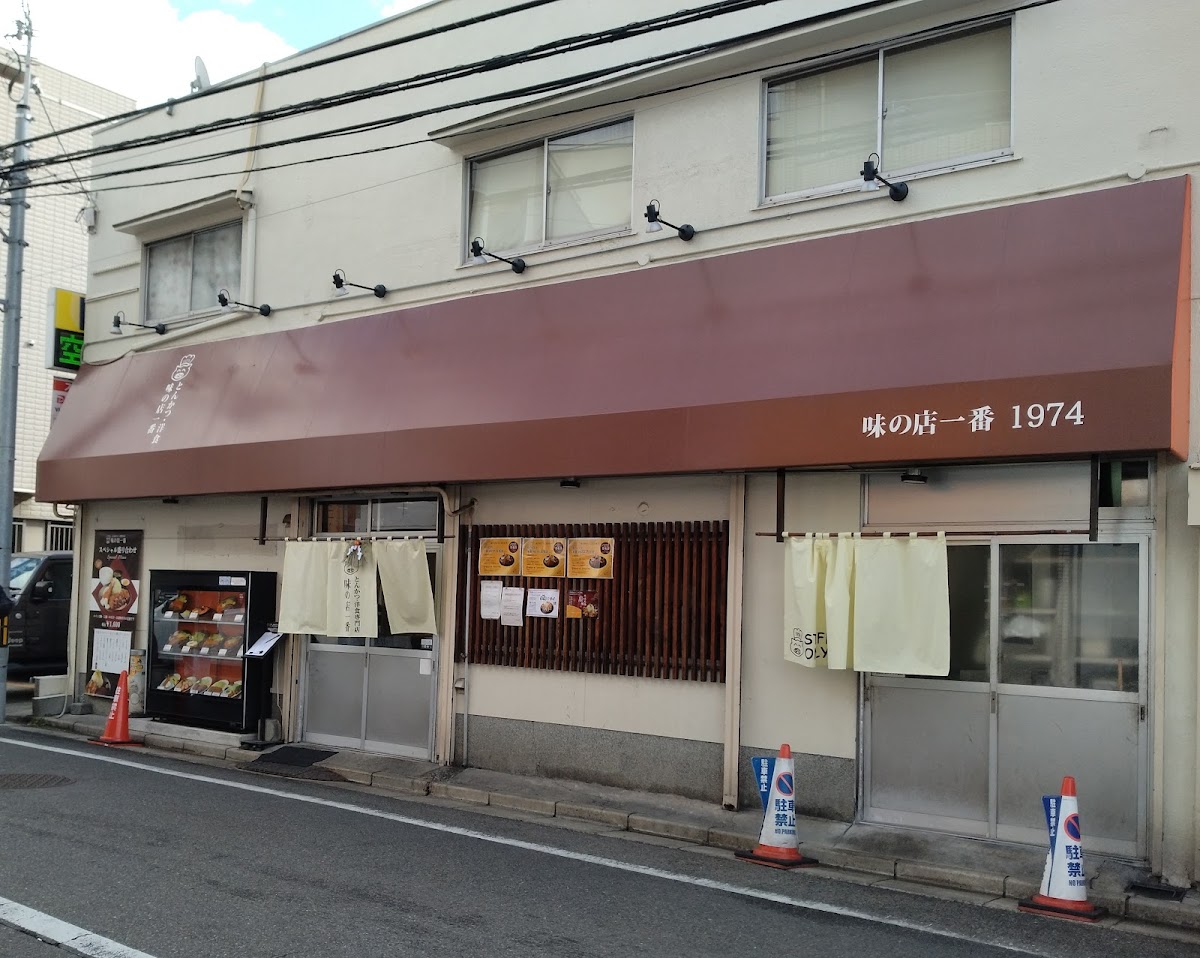
Ichiban sits quietly in a residential stretch of Sakai, at 6 Chome-882-3 Nakamozucho, Kita Ward, Osaka 591-8023, Japan, and it’s the kind of neighborhood diner you usually hear about from locals rather than guidebooks. I first came across it while interviewing a longtime Osaka food supplier about small family-run kitchens, and he insisted I stop by because, as he put it, hidden gems still cook like it’s 1995. He wasn’t wrong.
Walking in, the space feels lived-in in the best way. There’s a short counter, a few tables, and a menu board that hasn’t changed much over the years. Regulars seem to know exactly what they want before sitting down. That’s often a good sign. In Japan, repeat customers are one of the strongest indicators of quality, and according to data from the Japan Food Service Association, over 60% of diners prefer local restaurants they visit at least once a month. Ichiban clearly benefits from that loyalty.
The menu focuses on comfort food with a Japanese diner twist. Think rice bowls, set meals with grilled proteins, and seasonal specials written in marker near the register. On my visit, the daily set included pork ginger stir-fry with miso soup and pickles. The cooking process is simple but deliberate: ingredients are prepped fresh each morning, sauces are made in-house, and portions are consistent. That consistency matters. Culinary schools in Kansai often stress repetition and control as foundations of good cooking, and you can taste that discipline here.
One thing that stands out is how balanced everything feels. Salt isn’t overpowering, oil is used carefully, and the rice is cooked with precision. A chef I spoke with later, who trained in Osaka for over a decade, explained that diners like this often rely on calibrated rice-to-water ratios and gas pressure rather than automated cookers. It’s old-school, but it works. That attention to detail is why the food feels comforting rather than heavy.
Reviews from locals echo the same themes. People mention honest portions, friendly service, and food that tastes like home. While it’s not the kind of place chasing awards, it aligns closely with what organizations like Michelin Japan describe as quality dining at a neighborhood level: good ingredients, careful preparation, and flavors that respect tradition. Of course, Ichiban isn’t listed in major guides, and that’s worth acknowledging. Its reputation lives mostly through word of mouth and repeat visits rather than formal recognition.
Location-wise, it’s easy to reach if you’re already in Sakai or coming from central Osaka via local train lines. The surrounding area is quiet, mostly residential, which explains why lunch hours are busier than evenings. If you’re visiting for the first time, arriving a bit before noon helps avoid waiting, especially on weekdays when nearby workers drop in.
From a professional perspective, small diners like this play a crucial role in Japan’s food culture. The Ministry of Agriculture, Forestry and Fisheries has repeatedly highlighted how local eateries preserve regional eating habits and support supply chains that large chains often overlook. Ichiban fits that model closely. It doesn’t try to reinvent anything; instead, it refines what already works.
There are limitations to keep in mind. The menu isn’t designed for extensive dietary customization, and English support is minimal. Cash is preferred, and seating is limited. Still, those constraints are part of the charm for many guests. You come here for straightforward meals, familiar flavors, and a sense of place that’s getting harder to find.
By the time you finish eating, you understand why people keep coming back. It’s not about trends or presentation. It’s about reliability, warmth, and a menu that knows exactly who it’s serving.
Good to know
Service options
✓ Delivery ✓ Takeaway ✓ Dine-inPopular for
✓ Lunch ✓ Dinner ✓ Solo diningAccessibility
✓ Wheelchair-accessible car park ✓ Wheelchair-accessible entrance ✓ Wheelchair-accessible seating ✓ Wheelchair-accessible toiletOfferings
✓ Alcohol ✓ BeerDining options
✓ Brunch ✓ Lunch ✓ Dinner ✓ Table serviceAmenities
✓ ToiletAtmosphere
✓ CasualCrowd
✓ University studentsPlanning
✓ Accepts reservationsPayments
✓ PayPay ✓ Rakuten Pay ✓ dBaraiParking
✓ Paid parking lotPhotos
1 / 4
Location
Reviews
- No ratings yet 1149 reviews
This place serves traditional Japanese curry dishes (most notably, pork chop) and does a fantastic job of it! The pork chop was tender and succulent! The pork-batter was crunchy and rich of the aromas of bread, flour, and egg!
The place has a great local Mom & Pop feel. The menu offers a good choices. To top it off, the kitchen is right off the counter to complete the atmosphere.
This place is amazing. Everything tastes so good! The portions are very big, too. It's a super casual, local joint and seating is tight. Usually there's a line outside but it's worth the wait.
Very nice meal and place. Please, switch to reusable chopsticks .